

University programme Croatia
Coordination of producers, importers and distributors of spirits
Croatia
2023 > Ongoing



Objective
- To help university students be more mindful of their drinking
- To increase knowledge about alcohol among students
- To raise awareness of irresponsible drinking and the negative effects of alcohol abuse among students
Description
The Standardised European Alcohol Research (RARHA-SEAS) found that 11% of Croatians have had at least one occasion of heavy episodic drinking per month in the past year. The age group most affected is 18–34-year-olds (17%). Alcohol was consumed most frequently (once a week or more) at home (30%) or with friends, colleagues and acquaintances (30%). Research conducted among first year medical students at University of Zagreb in the 2015/2016 academic year showed a prevalence of binge drinking of 72% (80% in males, and 67% in females). The highest proportion of male (38%) and female (37%) students consumed five or more drinks in a row, six or more times in a last 12 months. These studies show that alcohol consumption among young people in Croatia is a significant public health problem illustrating the need for this programme.
The programme is comprised of four parts:
- Pre/post survey: The survey focuses on consumption habits and knowledge about alcohol and responsible consumption.
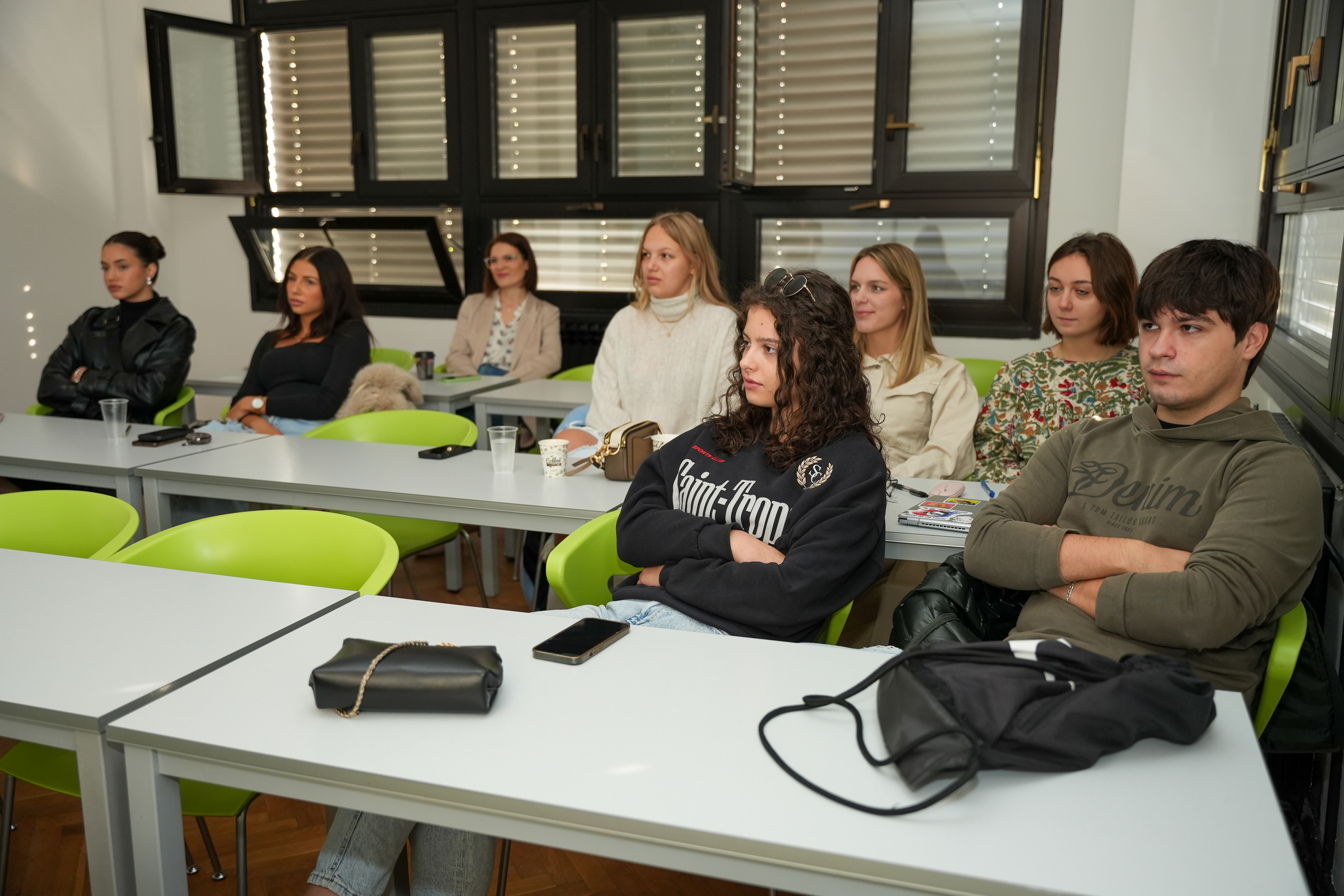
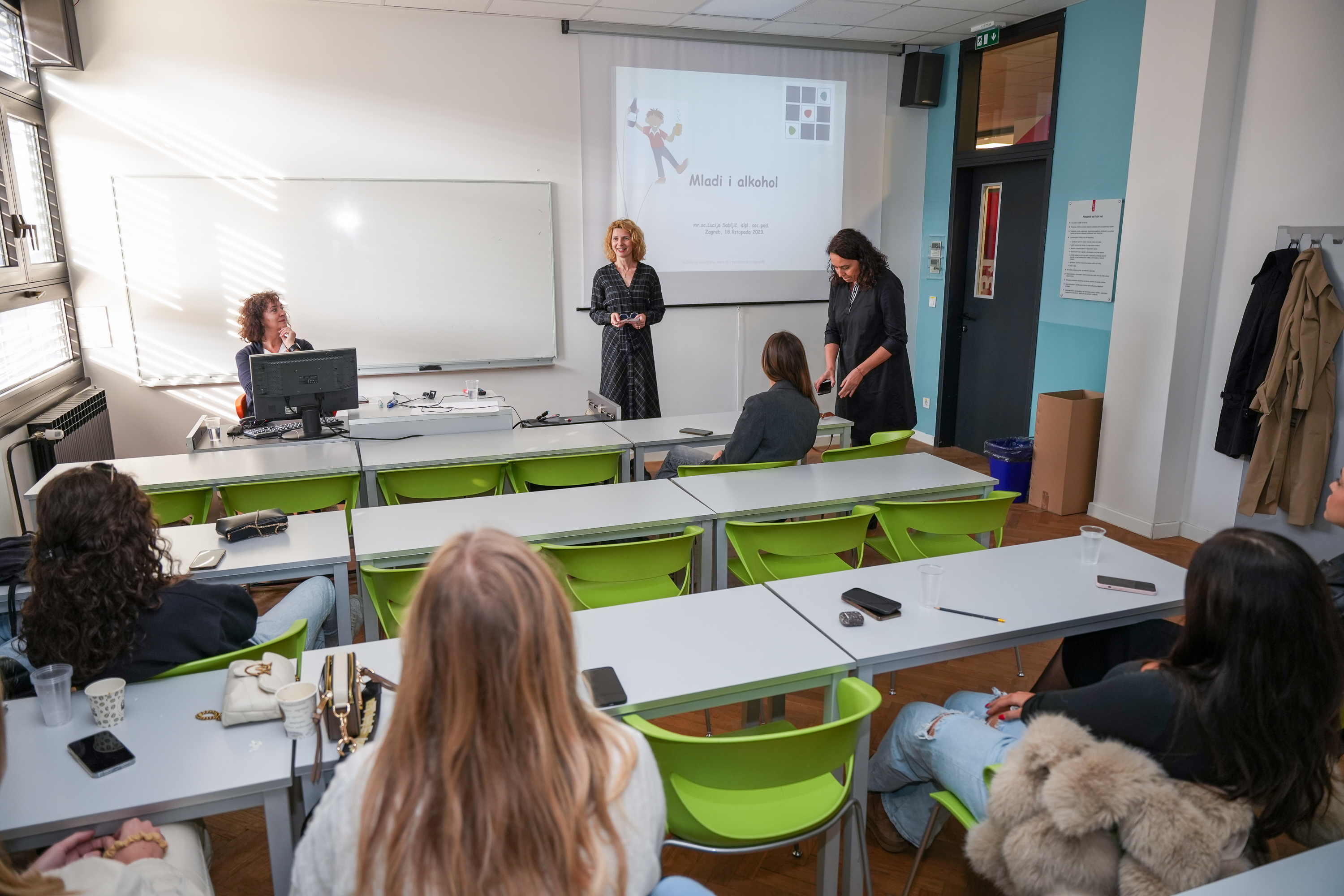
- Information session: Students are learning about the basics of alcohol, trends and the importance of responsible alcohol consumption. This information covers topics such as: the effects of alcohol on the body; what a standard drink is; responsible guidelines, limits and when you should not drink alcohol; reasons why you should drink alcohol in moderation; myths, and what the law says about drink-driving.
- Creative competition: Students work in groups to design a responsible drinking campaign targeting young adults (their peers). They must come up with key messages, visuals and a communication plan. They are supported by university teachers and Communication Office Colić, Laco and partners during the process.
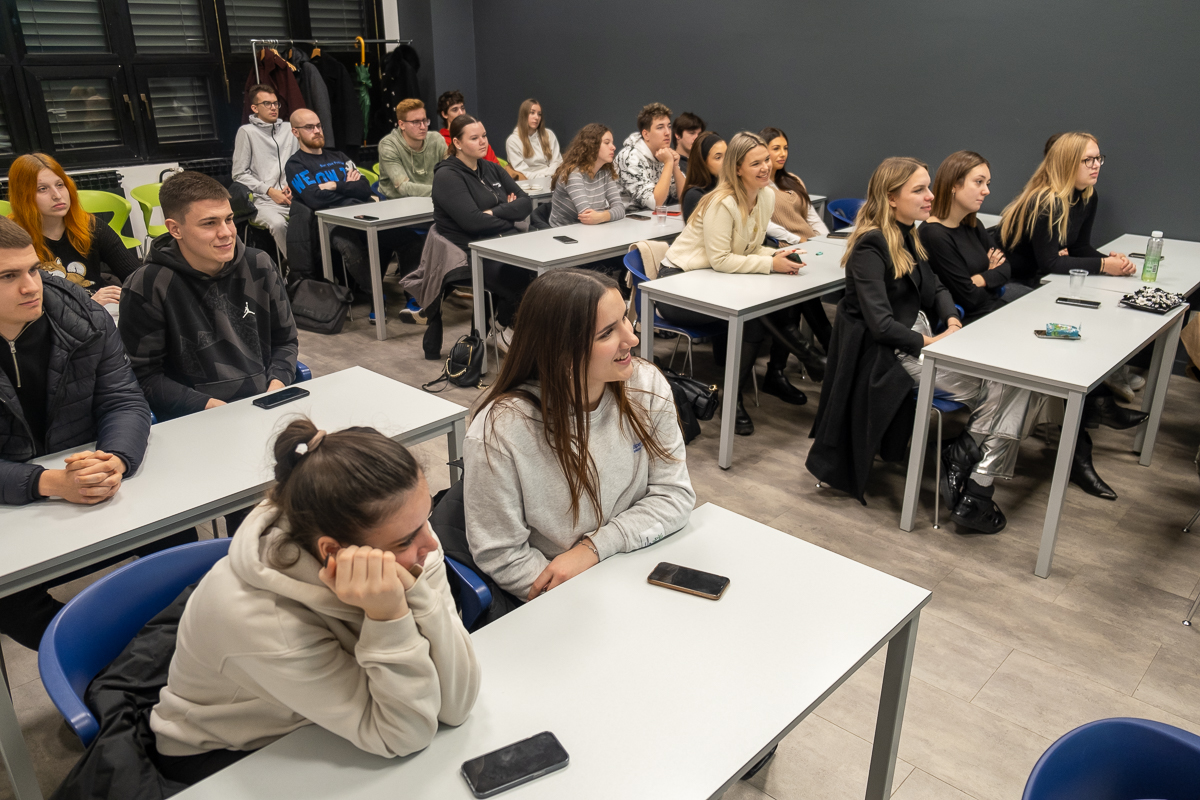
- Prize ceremony: A prize ceremony is held on campus where all student campaigns are presented to an expert jury, consisting of two representatives of the Coordination, a professor, and a representative of the marketing agency. The jury evaluates entries and awards the best campaign. Other students were invited to listen to the presentations.
In addition, to heighten visibility of the programme a digital media campaign, which may include the use of influencers, the largest Croatian portals and OOH digital screens (digital Out Of Home advertising), is run once the programme is over to bring awareness to it and the winning creative. Also, a section on the konzumirajodgovorno.hr website was created for students to learn more about responsible drinking after the campaign is finished.
First edition (October 2023)
- Students from the VERN faculty studying Community Management voluntarily took part in the programme
- Information session: Lucija Sabljić, Representative of the Teaching Institute for Public Health, gave a lecture to the students about the basics of alcohol, trends and the importance of responsible alcohol consumption.
- Awards event: As part of the event, students were presented with the results of a survey on student habits and attitudes about alcoholic beverages, which was conducted among VERN students. The results showed that, although they think they know enough about alcohol, students lack knowledge about its effects possible harms.
- Influence presentation: After the presentations, the students had the opportunity to hear what it means to be an influencer and how good content is created on social networks. Influencer Sandro Slavnić (Sandrotellingstories), shared his experience and knowledge about the responsibility of publishing content on social networks.
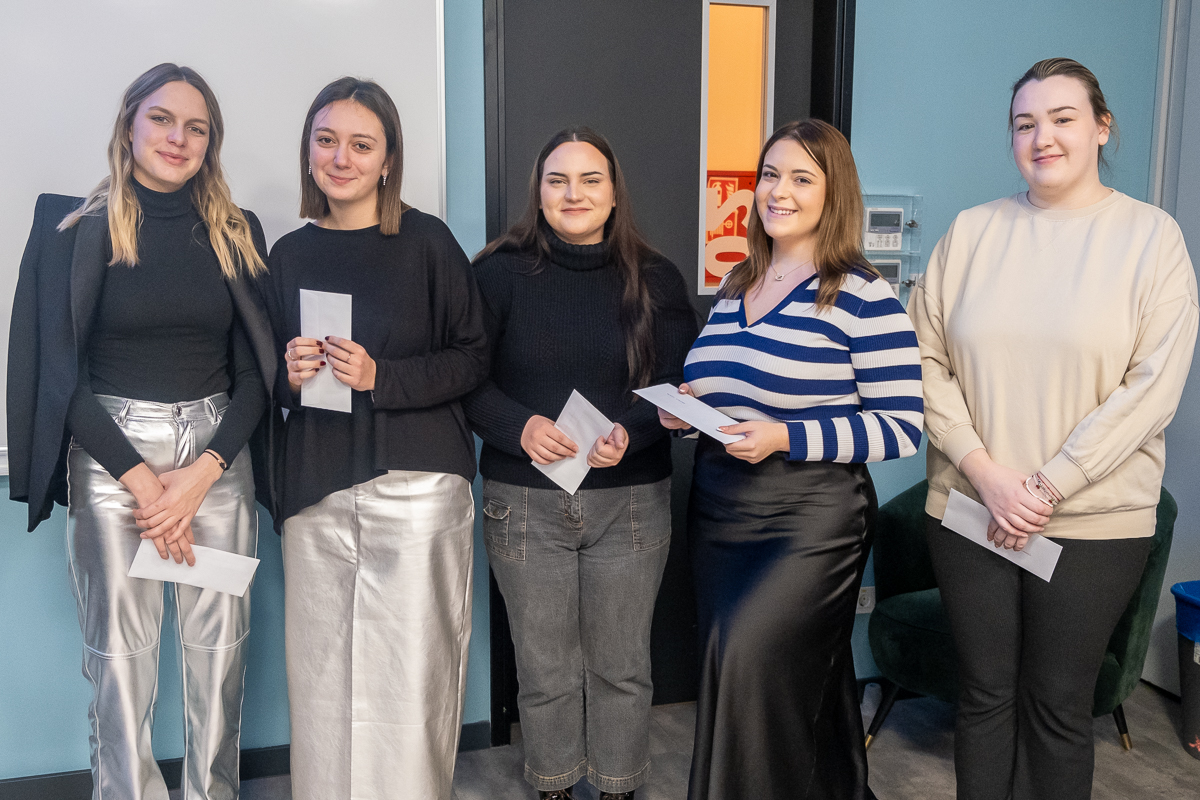
- Winners: The winning campaign #MaloPomalo (#LittleByLittle) was designed by a group of five students Petra Buljan, Anja Milinković, Daniela Vuleta, Marija Cinotti and Jaga Komazec. It aims to make their peers aware of the importance of responsible alcohol consumption and prevent alcohol abuse among young people. The winning campaign was launched in February 2024.
Second edition (March 2024):
- Students from the Faculty of Business and Economics, University of Zagreb voluntarily took part in the programme
- Information session: Students received an educational document about the basics of alcohol, trends and the importance of responsible alcohol consumption.
- Awards ceremony: Students presented their campaigns to the jury and their peers. The best campaign was chosen by the jury and presented with the awards.
- Winner: The winning campaign (Od viška glava boli) was designed by three students – Tea Andrić, Maja Horak and Marta Bukovski. It aims to make their peers aware of the importance of responsible alcohol consumption and prevent alcohol abuse among young people. The winning campaign was launched at the end of October 2024.
Partners
VERN University
Faculty of Business and Economics, University of Zagreb
Lucija Sabljić from the Mental Health and Addiction Prevention Service of the Andrija Štampar Teaching Institute for Public Health
Communication Office Colić, Laco and partners (supports the students in the creative process)
Sandro Slavnić (Sandrotellingstories) social media influencer
Results
14 students took part in the first edition, and 12 students took part in the second year of the programme. Interesting and creative presentations testified to the great effort and innovation of the students. Across all platforms, the media campaign successfully reached a total of 664,802 people in the campaign #MaloPomalo. The campaign "Od viška glava boli" reached a total of over 2 million views and participants.
Measurement & evaluation
The post programme survey after the first round of the programme:
- A noticeable increase in participants’ knowledge about alcohol consumption and its effects:
- A 33% increase in selecting the drink with the most alcohol.
- A 37.5% increase in knowing whether intoxication occurs more quickly if different types of alcoholic drinks are mixed.
- A 29.17% increase in knowing how long it takes for the liver to eliminate one standard unit of alcohol.
- An 83.33% increase in correctly answering whether sleeping helps eliminate alcohol from the body.
- A slight decrease in the percentage of respondents who believed they consumed alcohol responsibly - 83.3% vs from 87.5% suggesting a more critical self-assessment and possibly a deeper understanding of responsible consumption, reflecting an increased awareness of their drinking habits.
The above insights collectively demonstrate the campaign’s success in enhancing knowledge and shifting perceptions and behaviours related to alcohol consumption among the participants. The results underscore the positive impact of targeted educational initiatives on public health and awareness, fostering a more informed and cautious approach to alcohol consumption. The results also confirm the need for educational campaigns.
The same study was held in the second round of the programme, focusing on consumption habits and knowledge about alcohol as well as responsible drinking among students.
The study showed significant increase in participants' knowledge about alcohol consumption and its effects:
- 15.8% more participants correctly identified the drink with the highest alcohol content.
- 32.5% more participants understood whether wine or beer is the healthier option.
- 20% more participants knew whether mixing drinks leads to faster intoxication.
A 13.3% decrease in self-assessed knowledge of alcohol and alcoholic beverages suggests that the education successfully encouraged participants to engage in deeper introspection and recognize their gaps in knowledge. This is a positive sign of raising awareness about the topic's complexity, which is a crucial step toward real learning and attitude change.
Website
https://www.konzumirajodgovorno.hr/ Downloads
Photo gallery